
Maldives in the Off-Season: What Nobody Tells You About Travelling During the Monsoon
Image

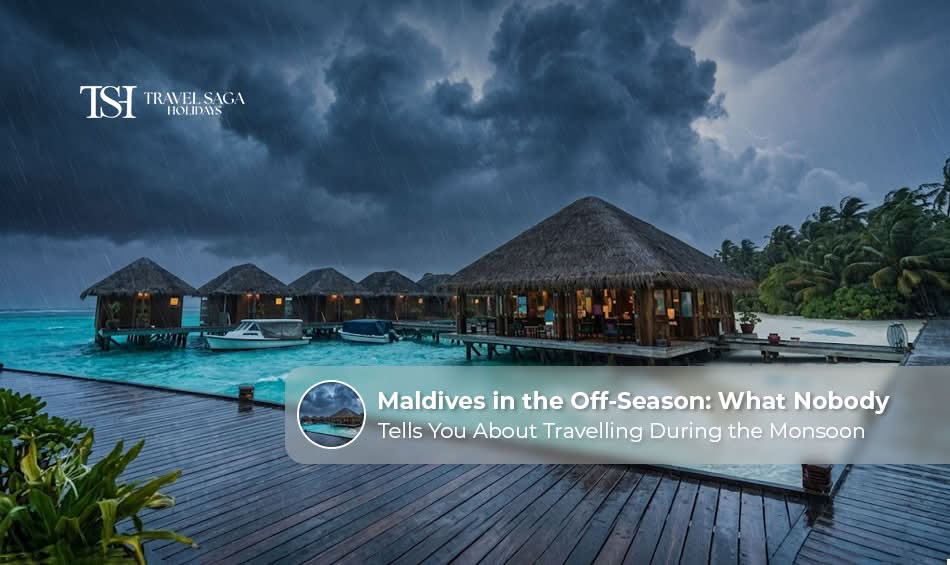
Every travel blog tells you to visit the Maldives between November and April. Avoid the monsoon. Wait for the dry season. Come back when the skies are clear. That advice works for people who can choose any month they want. Most Indian travellers cannot. School holidays, annual leave, family schedules. The reality is that June through September is when many Indians actually need to travel. And here is what those blogs never tell you. Maldives in the off-season is genuinely good. Not a compromise. Not a consolation prize. A different experience that delivers things the dry season simply cannot.

Maldives Weather During Monsoon: The Real Picture

The Maldives is affected by the southwest monsoon from May to October. Yes, that’s right. The problem with simplifying the rain is that it’s not simplifying. Although you might think of monsoon days in the Maldives as days filled with grey skies and continual rain, that is not the case. Rain comes in showers. Heavy for 30 minutes. Then gone. Then sunshine. June and July bring bright and clear mornings most days. It’s in the afternoon that the weather gets a facelift. Schedule outdoor activity before midday, and the monsoon makes little impact on the day. The ocean remains warm, at 28-30 degrees all year round. In some of the atolls, the visibility under the sea actually increases during the wet season. In the southern atolls, whale sharks and manta rays are at their best in these months.

Official Weather Data

The Maldives Meteorological Service publishes daily forecasts and monthly rainfall averages across all atolls. North Malé Atoll and Ari Atoll receive different rainfall intensities during the southwest monsoon. Checking atoll-specific data before choosing your resort location makes a significant difference to the experience you actually get.

What the Off-Season Actually Delivers

Maldives in the off-season delivers three things the peak season cannot. Privacy. Genuine luxury at reduced demand. And marine life that specifically congregates during these months. Hammerhead sharks gather at Rasdhoo Atoll between May and August. Whale sharks appear in South Ari Atoll year-round but peak between May and November. Manta rays feed in the channels around Baa Atoll from May through November, which is why Baa Atoll holds UNESCO Biosphere Reserve status. The best marine experiences in the Maldives concentrate precisely in the months most travellers avoid. The best experiences to include in a Maldives trip guide cover what each season specifically delivers across different experience categories.

Best Time to Visit Maldives: Challenging the Standard Answer

Ask any travel agent and the answer comes immediately. November to April. Best weather. Peak season. Book early. That answer is correct for people prioritising guaranteed sunshine. But it is an incomplete answer for everyone else. The best time to visit Maldives depends on what you prioritise. For marine life, the southwest monsoon months are superior. For underwater photography, the visibility in certain atolls peaks during the wet season. And for Indian travellers with June and July as their only realistic travel window, the Maldives absolutely delivers during those months when approached correctly.

01

Official Weather Data

The weather in Maldives is very different in the various atolls during the monsoon season. During the southwest monsoon season, the northern atolls have less rainfall than the southern atolls. Compared with the far south of Addu Atoll, the atoll of North Malé is less disturbed, with most budget and midrange resorts focused there. One of the most important choices is where to go to the right atoll at the right time of year, and this makes all the difference to the quality of the trip. It’s really worth spending three days researching this and then booking.

02

Couples in Off-Season

Overwater bungalows during peak season come with neighbours on both sides, speedboats crossing at all hours, and a resort that operates at full visible capacity. The same bungalow in July feels like a private island. Fewer guests means faster service, more attentive staff, and a genuine sense of isolation that the Maldives promises on every brochure but delivers most reliably in the quiet months. The Maldives Romantic Escape package suits couples specifically seeking that private, unhurried version of the destination.

Enquire Now: Maldives Romantic Escape

03

Luxury at Lower Demand

Five-star resorts that require six-month bookings in December open up in July. The same properties, the same overwater villas, the same house reefs and spa facilities. But with fewer guests, more staff attention per room, and significantly better availability across dining reservations and activity slots. The Maldives Luxury Collection covers premium resort options from India with the full luxury format available even during off-season months.

Maldives in the Off-Season: Specific Activities That Work

🤿

Diving and Water Sports

Underwater visibility in the Maldives during monsoon surprises most first-time divers. The nutrient-rich currents that the monsoon brings attract plankton, which attracts manta rays, which attracts everything else in the food chain. Baa Atoll’s Hanifaru Bay is one of the most extraordinary marine experiences on earth, and it runs specifically during the monsoon months from May through November. The water sports in Maldives guide covers which activities work in which season across different atolls and experience levels.

Surfing

The surf season in Maldives is from June to September. The Maldives is one of the most reliable surf spots in Asia thanks to the same southwest swell that generates the monsoon rain for the island. The breaks run from north to south across North and South Malé Atoll, and Addu Atoll, providing reef breaks that are ideal for intermediate to advanced surfers. A very specific off-season time to visit, but one that is attractive to Indian surfers.

🌊

🐠

Snorkelling

For most atolls, house reef snorkelling is not influenced by monsoon weather conditions. The reef is 20 metres away from your overwater villa all year round. Go to the reef in the morning before the weather makes itself known, and you will see the same coral, have the same density of fish and the same turtles as visitors who pay an extra to see these things at the height of the season.

How to Structure Your Off-Season Maldives Trip

Four Day Option

Four days works for couples who want a pure relaxation trip without extensive activity planning. Arrive, check in, snorkel, eat, repeat. The Maldives 4 Days Tour Package covers this format with speedboat or seaplane transfers and accommodation in a selected resort.

Five Day Option

Five days adds a diving or snorkelling excursion, a sandbank picnic, and a dolphin watching sunset cruise to the core relaxation format. The Maldives 5 Days Tour Package structures this across five days with daily breakfast and guided excursion options.

Six Day Option

Six days is the format that couples and honeymooners consistently rate highest. Enough time for the resort to feel genuinely familiar. Enough days to include both diving and surface activities without rushing either. The full breakdown of how six days in the Maldives works best for couples is covered in the 6 romantic days in Maldives guide. The Maldives 6 Days Tour Package covers the complete six-day format with structured inclusions from India.

Planning Your Maldives Off-Season Trip From India

Flights from India to Malé run from Delhi, Mumbai, Bangalore, Chennai, and Kochi. IndiGo and Air India both operate direct routes. Flight time from Mumbai is under three hours. From the airport, speedboat or seaplane transfers reach your resort depending on its atoll location. Seaplane transfers operate only during daylight hours, which means late evening arrivals connect to resorts by speedboat instead. Book transfers when you book the resort. The Maldives tour packages from India page covers the full range of off-season packages across four, five, and six-day formats with Indian departure cities covered.

Conclusion

Maldives in the off-season is not the fallback option. For marine life, seclusion, and genuine luxury without peak-season pressure, the monsoon months deliver things the dry season never can. Maldives weather during monsoon follows a pattern that morning activity planning handles easily. The best time to visit Maldives is not one universal answer. It depends on what you want from the trip. For Indian travellers whose only realistic window is June through September, the Maldives absolutely delivers. Show up with realistic expectations, choose travelsagaholidays.in, and the off-season surprises you completely.

Frequently Asked Questions: Maldives in the Off-Season

Yes, particularly in the case of marine life, seclusion, and availability of resorts. Whale sharks, manta rays and hammerhead sharks are abundant in the months of monsoon. Resorts operate at low occupancy, providing a much more private experience.

May through October is the southwest monsoon and off-season window. June and July see the heaviest rainfall but still deliver clear mornings and excellent underwater visibility in most atolls.

If you plan around it, then no. Rain is not continuous but comes in 30-minute episodes. The morning activity windows are almost always free. Weather variations are generally unimportant for afternoon snorkelling, diving or for the indoor resorts.

The rainfall varies from southern to northern atolls, with less falling over the North Malé atoll in the southwest monsoon. Baa Atoll is in particular recommended for watching manta rays in Hanifaru Bay, which is at its best for sightings from May to November.

Five to six days works best. Four days suit pure relaxation trips. Six days allows both diving excursions and surface activities without rushing either experience category.

Read More Blogs:

Your Cart

Subtotal
₹0.00
Shipping
Free!
Tax
₹0.00
Total
₹0.00
Product You Might Like